
Options Strangle Strategy: A Complete Guide for Beginners
5paisa Capital Ltd


- What is the Strangle Strategy?
- Understanding Long Strangle Strategy
- Understanding Short Strangle Strategy
- When Do Traders Use the Strangle Strategy?
- Benefits of the Strangle Strategy
- Risks of the Strangle Strategy
- Conclusion
Options trading offers various strategies that allow traders to profit from different market conditions. One such strategy, the strangle strategy, is commonly used when traders expect significant price movements but are unsure of the direction.
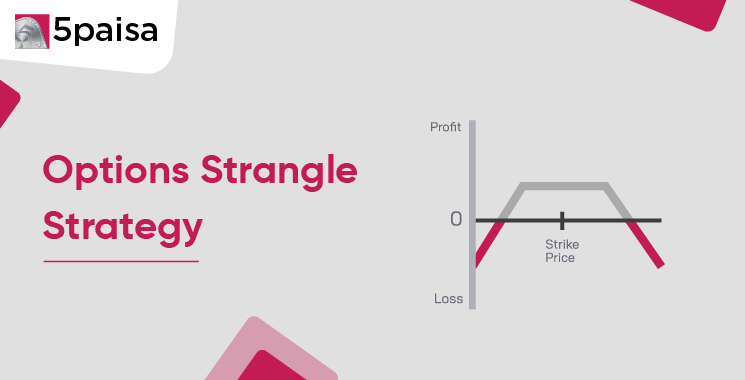
The Strangle Strategy involves buying or selling both a call option and a put option with the same expiration date but different strike prices. This strategy is often used during periods of high volatility, such as before earnings announcements, major economic events, or unexpected news that could impact stock prices.
This article will provide an in-depth explanation of the strangle strategy, including how it works, key concepts, different types, etc. By the end of this guide, you will have a clear understanding of the strangle strategy.

More Articles to Explore
- Delta in Options Trading: Meaning & Strategy
- Iron Condor Strategy in Directional Markets
- Option Chain Analysis: How to Read & Use It
- Theta in Options Trading: Time Decay Explained
- What is Derivative Trading? Complete Guide
- Futures & Options (F&O): Meaning & Basics
- What is IV Crush in Options Trading?
- What is Long Build-Up? Meaning & Signals
- Open Interest in Options: Meaning & Analysis
- Put Call Ratio (PCR): Meaning & How to Use It
Disclaimer: Investment in securities market are subject to market risks, read all the related documents carefully before investing. For detailed disclaimer please Click here.